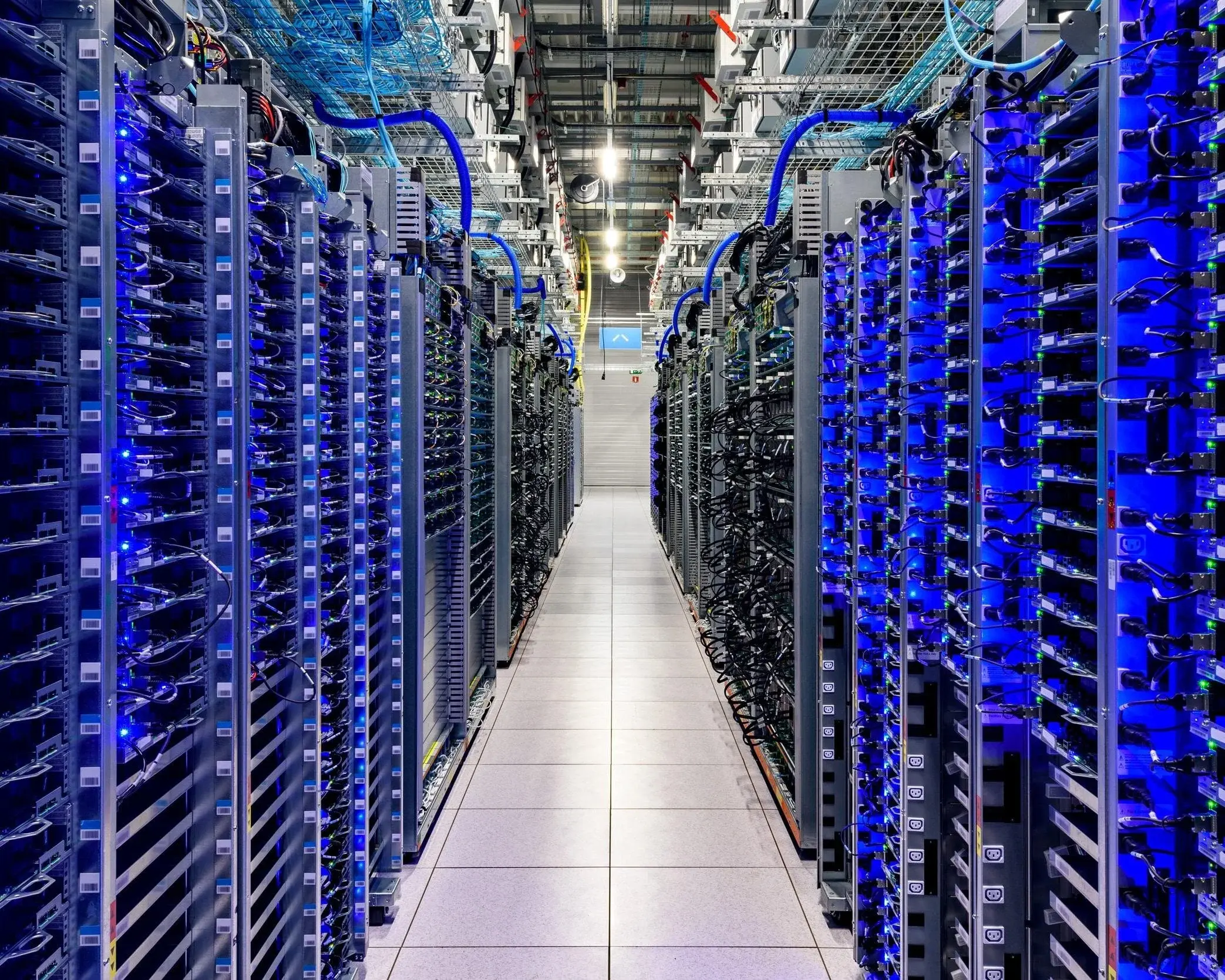

Dell Technologies reported its Q1 fiscal year 2027 results on the evening of May 28, 2026. The stock surged 39% in after-hours trading, reflecting the extent to which the report beat expectations.CNBC What grabbed analysts’ attention was not the profit figures, but AI server revenue hitting $16.1 billion in a single quarter — up 757% year-over-year — alongside an end-of-period backlog of $51.3 billion.TradingKey
Markets have debated for months whether AI infrastructure capex is at peak or still accelerating. This report answers that question with hard numbers.
Q1 FY2027 Results: Three Metrics Far Above Consensus
Start with the company-wide picture. Dell’s total revenue for Q1 FY2027 came in at $43.84 billion, up 88% year-over-year, well above the analyst consensus of $35.43 billion.CNBC Adjusted EPS reached $4.86, nearly double the $2.94 expectation. These two figures alone were enough to move the stock, but they were not the headline driver.
The headline driver was the AI server segment. Revenue there hit $16.1 billion, up 757% year-over-year.TradingKey New AI orders booked in the quarter totaled $24.4 billion, meaning demand is running well ahead of delivery capacity. Looking across the trailing five quarters — $4.1B, $6.3B, $8.9B, $11.4B, and now $16.1B — the sequential growth rate shows no signs of deceleration.
Management also raised full-year FY2027 guidance to $165–169 billion in total revenue, with AI server revenue projected at approximately $60 billion.TradingKey The prior market consensus for full-year revenue was around $142 billion. A raise of over $20 billion after just one quarter signals management is leaning on confirmed order books, not optimistic projections.

The $51.3 Billion Backlog: The Weightiest Signal
The AI server backlog at the end of Q1 FY2027 stood at $51.3 billion, up from $43 billion at the start of the fiscal year.TradingKey This represents orders already signed but not yet shipped, meaning at least three to four quarters of future revenue is already locked in, regardless of whether customers place additional orders.
Notably, in Q1 alone customers placed $24.4 billion in new orders while Dell shipped only $16.1 billion, causing the backlog to grow by an additional $8.3 billion in a single quarter. The buyers are primarily hyperscale cloud operators: AWS, Microsoft Azure, Google Cloud, and Meta. Despite these companies developing in-house chips, total compute demand is growing faster than self-supply capacity, keeping Dell’s external order flow expanding.
The weight of the backlog figure comes from what it represents: signed contracts, paid deposits, customers waiting for delivery. This is committed capital, not an estimate or an intention. That is why markets treat backlog as a far more reliable signal than qualitative forward guidance.

Why the Cycle Is Hard to Reverse in the Near Term
Two physical constraints are preventing this cycle from overheating and collapsing: liquid cooling systems and GPU supply. Both require time to scale, not just capital. This is a fundamental difference from traditional speculative cycles where demand is driven by expectations and can collapse rapidly when sentiment shifts.
AI data center build-outs also carry inherent physical lag. A mid-sized campus typically takes 18 to 24 months from groundbreaking to commercial operation. Even if major tech companies stopped placing new orders today, the existing backlog would sustain Dell’s operations through the end of 2027. The demand here is contractually bound, not probabilistic.
FPT: Vietnam’s Closest Indirect Play
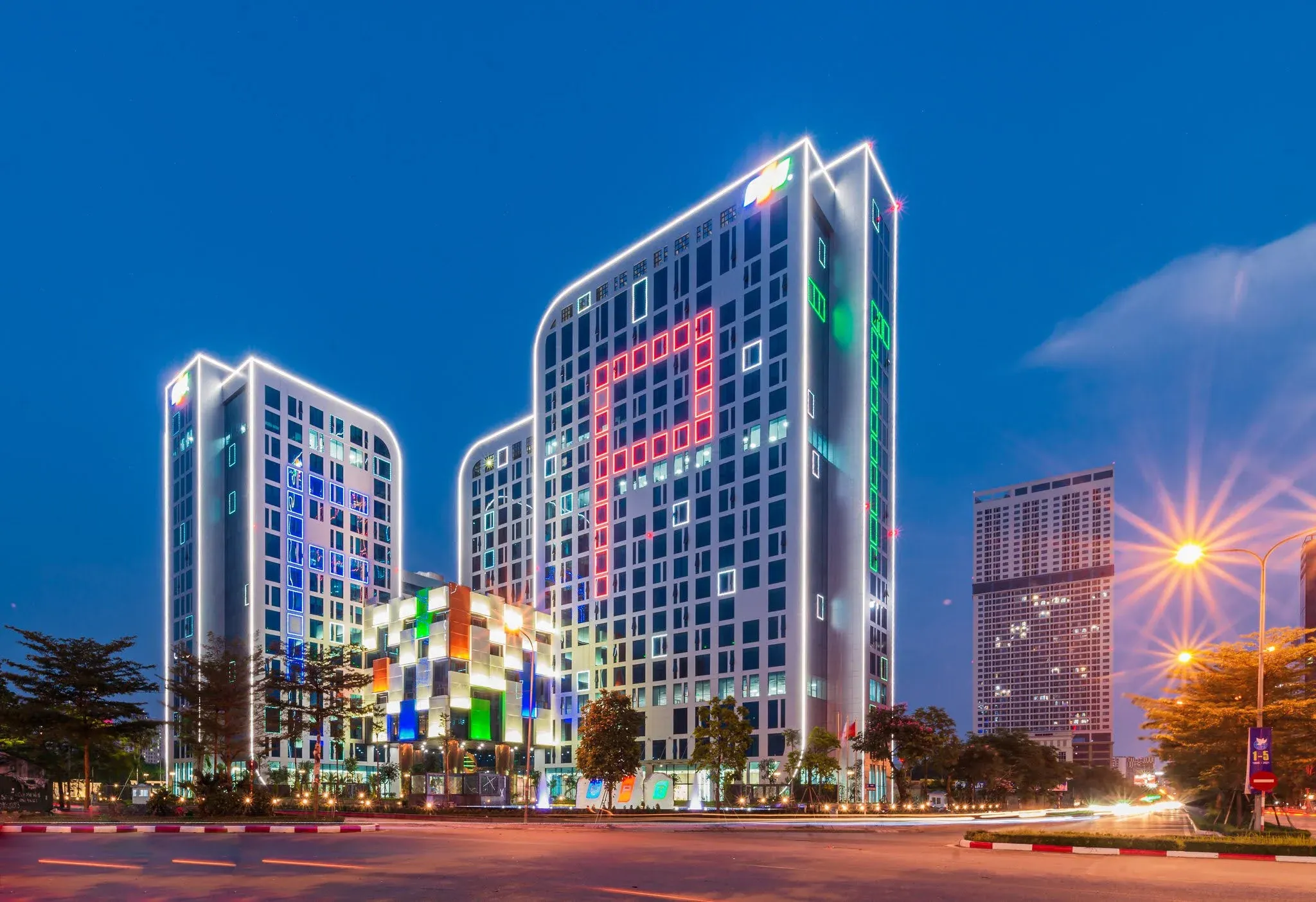
FPT is the Vietnamese listed company with the closest connection to this cycle, though the mechanism differs materially from Dell’s. FPT does not sell AI servers; it provides software services to international clients deploying AI, while simultaneously building out domestic data center infrastructure. FPT shares closed at VND 71,200 on May 28, down 1.93% for the session, approximately 7% below early-May levels.
FPT’s exposure operates across three layers. The first is international AI integration outsourcing, a segment that accelerates as global corporations need to deploy AI but lack in-house technical capacity. The second is domestic data storage and processing demand from Vietnamese enterprises undergoing digital transformation. The third is digital infrastructure work tied to national digitalization programs. All three layers connect to the global AI cycle, but more indirectly than Dell or Nvidia.
The key distinction to maintain: the AI narrative is a long-term component of FPT’s valuation thesis, not a session-by-session trading catalyst. Near-term price movements for FPT will continue to be shaped by broader market sentiment and internal factors such as new contract signings and the USD/VND exchange rate, which directly affects software export revenue.
Vietnam’s Listed Power Sector: The Next Piece
AI data centers consume electricity at industrial scale, running continuously with extremely high uptime requirements. As international infrastructure providers shift capacity toward Southeast Asia, industrial power demand in the region is expected to grow alongside.

Among listed power companies, each has a distinct exposure mechanism. POW operates a portfolio of gas, coal, and hydro plants with total installed capacity exceeding 4,200 MW, supplying baseload power to the southern grid, the region where most data centers are siting. NT2 runs approximately 774 MW of capacity near industrial zones in Đồng Nai province. REE holds over 2,845 MW in its power portfolio and is also an MEP (mechanical, electrical, plumbing) contractor, creating a dual-exposure profile since cooling systems represent a substantial cost in data center construction. GEX benefits indirectly through demand for electrical equipment and transformers.
On May 28, the group pulled back: POW fell 1.42% to VND 13,850, NT2 fell 4.17% to VND 23,000, REE fell 0.56% to VND 53,000, and GEX fell 3.58% to VND 32,300. The connection between AI data centers and Vietnam’s power grid is still in early stages. Power purchase agreements from this customer segment have not yet reached a scale that shows up materially in quarterly financials. This is a structural long-term theme, not a near-term signal.
Three Signals to Watch
Dell’s report matters because it validates with hard data a hypothesis markets are pricing: AI infrastructure spending is real and accelerating. The 757% YoY growth in AI server revenue, the $51.3 billion backlog, and the more-than-$20 billion guidance raise are empirical data points, not qualitative commitments. The thesis that “AI capex is peaking” finds no support in any figure from this report.
The implications for Vietnamese equities are long-term in nature: this is not a May 29 trading catalyst. For investors holding FPT or listed power names, three concrete signals are worth tracking over the coming quarters: (1) the pace of new data center contract signings at FPT and domestic technology peers; (2) the volume of new power purchase agreements from the data center customer segment at listed utilities; and (3) progress in resolving southern Vietnam’s transmission grid bottlenecks and baseload capacity constraints. The global AI cycle has created favorable conditions; the rate at which Vietnam converts those conditions into signed contracts and actual revenue is the variable that determines the long-term valuation upside.