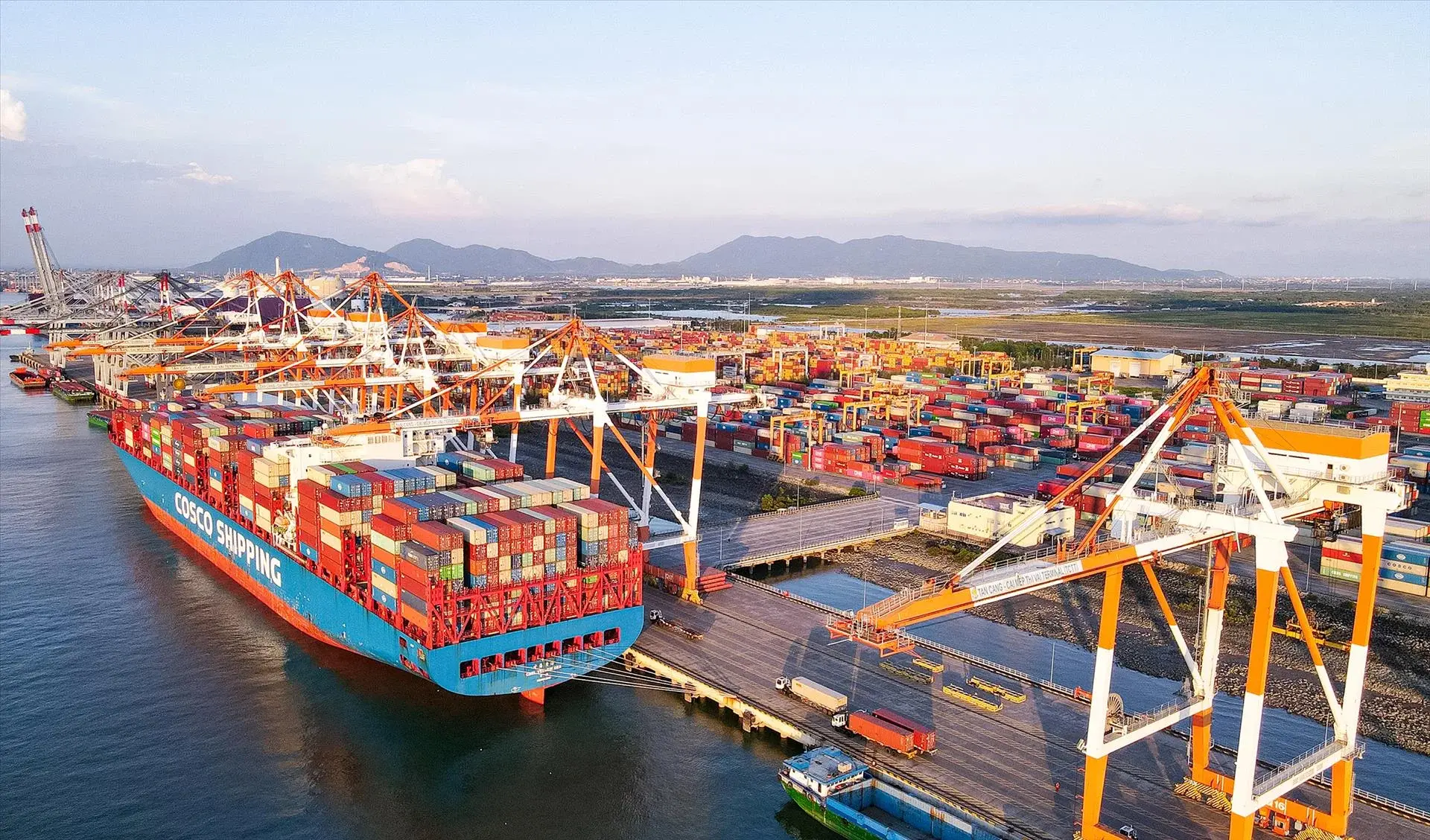

Rising export orders are usually read as straightforward good news. Revenue improves, factories stay busy, and export-linked stocks suddenly look more attractive. But in the equity market, that story only goes halfway. The harder question is how much profit a company can still keep after tariffs, origin reviews and compliance costs take their share.
That is why Vietnam’s export story this year cannot be read through order growth alone. In the first five months of 2026, Vietnam’s goods exports reached USD 215.66 billion, up 19.5% from a year earlier.LuatVietnam Yet by the end of April 2026, Vietnamese goods were also facing 320 trade-remedy investigations across 27 markets.Công Thương For newer investors, those two figures belong in the same frame, not in separate conversations.

Revenue can rise while profit quality weakens
The mechanism is simple. Orders are the input side of the story, while profit is what remains after the business clears several filters. If a company sells more volume but has to cut prices to keep customers, spend more on lawyers and accounting, or invest more in tracing inputs, the revenue uplift does not flow cleanly into earnings. Markets often react to that risk long before the income statement makes it obvious.
That pressure tends to rise alongside export success itself. In a June 10 note, VCCI said more than 300 cases across 25 markets show that trade defense has become part of corporate competitiveness, not just a legal issue sitting outside operations.VCCI In practice, exporters are no longer competing only on price and product quality. They are also competing on whether they can prove the goods are genuinely made in Vietnam, document costs clearly and respond coherently when regulators ask questions.
That matters because the market usually discounts this risk early. A company can post strong export sales in the current quarter and still trade cautiously if it is overly dependent on one market, sources hard-to-trace inputs or lacks a disciplined data system. The valuation gap between two companies with similarly strong revenue growth often opens here rather than in the top line itself.
Four gates that stand between orders and earnings
Trade-remedy risk usually passes through four gates. The first is tariffs. Once anti-dumping or countervailing duties rise, exporters cannot always pass the full cost on to buyers. If margins were already thin, even a modest policy shift can compress profit faster than investors expect.
The second gate is order behavior. Large buyers rarely wait for a final ruling before adjusting. They may slow purchasing, split volumes across other countries or demand tighter pricing terms as insurance. For listed companies, that creates an uncomfortable gray zone: current revenue is not yet weak, but forward expectations are already softening.
The third gate is rules of origin. This is not just about whether a product leaves a Vietnamese port. It is about whether the value added in Vietnam is substantial enough to defend. The Ministry of Industry and Trade said it has submitted a draft decree to the government on criteria for identifying “Vietnam-origin” goods circulating domestically, a sign that origin verification is receiving more policy attention even though the measure is still only at the draft stage.Bộ Công Thương
The final gate is data. When investigating authorities review a supply chain, they do not look at one invoice or one customs declaration in isolation. They look across raw materials, market exposure and the consistency of multiple data sets. Companies with fragmented records can become vulnerable even when their actual production capability is not weak.
Which sectors draw closer scrutiny
Not every export sector carries the same level of exposure. The industries that attract more scrutiny usually share three features: fast-growing export value, heavy concentration in a few large markets and meaningful dependence on imported inputs. That is why the same export upswing can be read with enthusiasm in one segment and with caution in another.
Steel is a clear example. When a steel product goes through several stages of processing, investigators do not just ask about the final selling price. They ask where the base steel came from, whether processing in Vietnam materially changed the product, and whether Vietnamese shipments are replacing supply from a country already facing tariffs. For investors, the lesson is straightforward: rising sales are not enough if domestic value creation remains hard to defend.
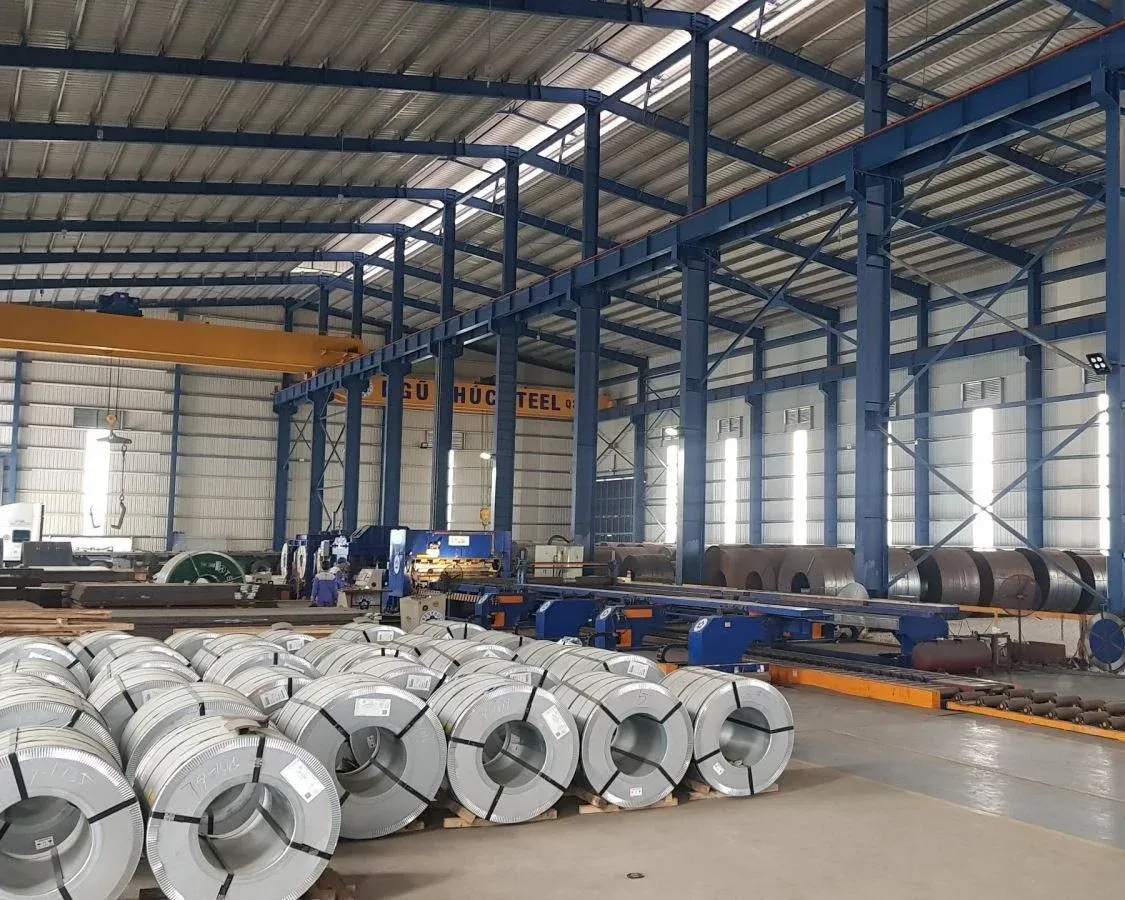
Wood, aluminum, construction materials and part of the manufacturing complex also sit in the watch zone. Resolution 148/NQ-CP said manufacturing and processing output rose 9.5% in the first five months of 2026.LuatVietnam That is good news for Vietnam’s industrial capacity, but it also makes local content ratios and input traceability more important in equity analysis.
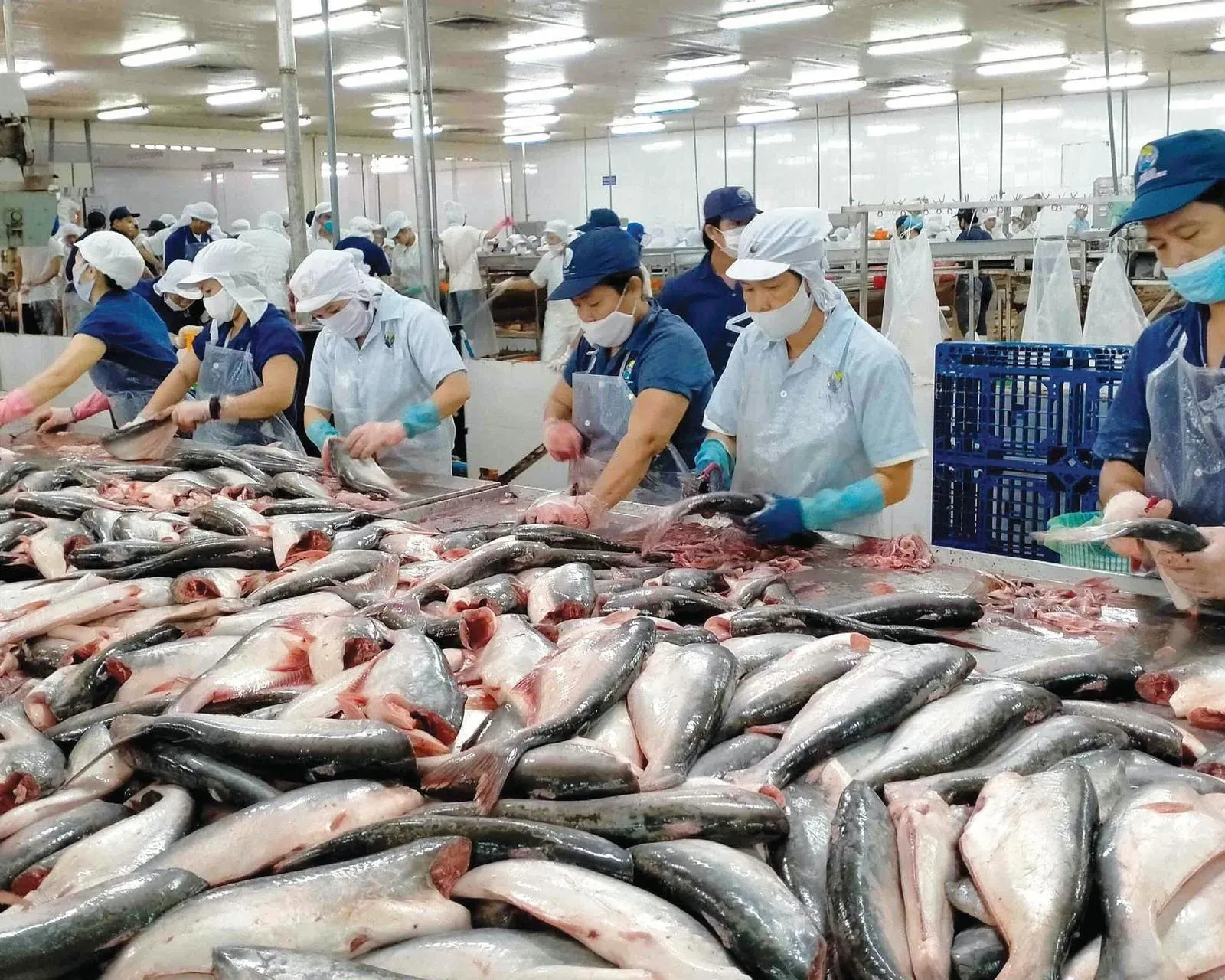
Seafood is different because the industry has already lived through multiple review cycles. A favorable outcome can materially improve margins and customer retention. Công Thương cited the US decision to apply a 0% rate in the 20th administrative review for pangasius and basa fish.Công Thương That is not a blanket safety pass for the whole sector, but it does show that companies with stronger records can reduce a meaningful part of the risk.
Textiles, footwear, wood products and electronics often run into a different problem. If too much of their input base comes from jurisdictions already under tariff pressure or trade scrutiny, they have to prove that the processing done in Vietnam is substantial. That is where the gap between an exporter with a controlled supply chain and one operating on thin assembly economics can become very wide, even when both are still reporting revenue growth.
How newer investors should read export stocks
The practical takeaway is to stop at revenue growth only after asking a few tougher questions. Where does the company actually sell? Where do the inputs come from? If an investigation begins, does management have the paperwork to respond quickly and consistently? Those are more useful questions than simply seeing a strong quarter and assuming the business is entering a clean upcycle.
One more detail matters: market concentration. Vietnam’s total trade turnover in the first five months of the year reached USD 445.12 billion, including USD 215.66 billion in exports.LuatVietnam A larger trade base creates more opportunity, but it also means companies leaning too heavily on one destination can become more fragile when that market changes policy.
That is why export stocks are better split into two layers. The first group is simply benefiting from higher orders. The second group has higher orders plus clean origin documentation, consistent accounting data and less concentrated end-market exposure. The market has reason to assign different valuations to those two groups even if both sit under the same “exporter” label.

Conclusion: read exports through profit durability
The core thesis is straightforward. Export growth is still a positive signal, but for export stocks it only deserves a higher valuation when the company can defend the profit it keeps after trade-related friction. The biggest difference between companies is not who gets the next order first. It is who can protect margins better once scrutiny becomes more intense.
In the next few weeks, the useful signals to watch are not broad slogans about exports recovering. They are more specific: whether companies are diversifying markets, whether origin files are strong enough to hold up under review, and whether compliance costs are starting to eat into margins. Investors who can read those three layers will be much closer to the way the market actually prices export names.