

For many first-time investors, the most frustrating risk on Monday morning may have nothing to do with a red candle on the screen. It may come from something far more ordinary: opening a banking app to transfer cash into a brokerage account and finding that the OTP never arrives; trying to log in to manage an order while the registered phone line has already been partially suspended; or needing a password reset at the exact moment when the first authentication layer stops working. That is why the June 15, 2026 deadline is not just a telecom story. For anyone using a phone number as the key into a financial stack, it is an operational risk that needs to be handled before the next trading week begins.Báo Chính phủ
What June 15 actually changes
The simple version is this: Circular 08/2026/TT-BKHCN started the broader re-verification process on April 15, 2026, and from June 15, 2026 some of its most practical consequences begin to matter for users who have not completed verification. For subscribers that still fall within the required verification group, telecom operators may suspend outgoing calls and outgoing SMS first. If the user still does not complete the process, the sequence can escalate into a two-way service block and then full termination.Báo Chính phủ
Not every subscriber falls into the same bucket. Based on the policy guidance published on the government’s policy portal and fresh domestic press summaries, the higher-risk groups include subscribers who have not standardized their records as requested, subscribers whose identity details no longer match the national database, numbers registered with 9-digit ID cards that still lack biometric verification, foreign users who have not re-verified their data, and users who move their SIM into a different handset after the rule takes effect.Chính phủThanh Niên
The point investors should remember is not the legal wording itself, but the timing. A one-way suspension does not mean the number is gone forever, yet it is already enough to disrupt the tasks many people take for granted. If you only discover the problem when it is time to transfer cash or approve a transaction, the policy has already turned into a workflow failure.

The money may still be there, but access can break
This is the easiest part to misunderstand. CafeF, citing information from Thời báo Ngân hàng on June 13, reported that a blocked SIM does not change ownership of a bank account and does not make the balance disappear. In plain English, the cash can still be sitting safely in the bank or inside the investment account. The real issue is access: failed OTP delivery, broken app login, interrupted digital transaction approval, or trouble recovering an account when something goes wrong.CafeF
In digital banking, the registered number often sits behind multiple actions at once: balance alerts, OTP delivery, transfer approval, password resets, device verification and security changes. Once one of those links breaks, the user experience can feel like the money itself is trapped even when the asset is still there. E-wallets are even more exposed to this dependency because the same number often handles login, top-up, withdrawal and password recovery.
Brokerage accounts are not very different. Each securities firm uses its own workflow, but most treat the registered mobile number as part of the account holder’s digital identity. That number may be tied to notifications, login checks, account support requests, linked-bank funding or personal data updates. If the problem shows up on Sunday night or just before the Monday open, the investor can end up with cash on hand but no clean way to act on schedule.

Which investors should check more carefully
The first group is people who have recently changed phones or moved a SIM into another device. Under the guidance published on the government’s policy portal, the device-change rule takes effect on June 15, 2026. If the telecom system detects a new endpoint device, outgoing service may be suspended within as little as two hours while the user is asked to complete facial biometric verification. If re-verification is still incomplete after 30 days, the number may face a two-way service block.Chính phủThanh Niên
The second group is people whose phone number now sits across too many services, even though they have not tested recovery flows in a long time. This is a very ordinary retail-investor risk: daily logins create the impression that everything is fine, until a phone upgrade, a forgotten password or a larger transaction reveals that the recovery email is outdated, Smart OTP lives on an old device, and the SIM itself is now stuck in a verification process. The more financial apps depend on a single number, the more expensive one disruption becomes.
The third group is investors who usually move money right before the week starts. Many beginners leave spare cash in a bank account until they are ready to fund a brokerage account close to the next session. There is nothing inherently wrong with that habit, but it makes the investor heavily dependent on login access, code delivery and transaction approval at exactly the moment action is needed. If the number turns out to be compromised or restricted only on Monday morning, the room to fix the problem shrinks quickly.
A practical checklist before the next trading week
The first step is to check whether the telecom provider has already sent a verification request. If it has, use only official channels. The government policy portal says subscriber verification can be completed through VNeID, the telecom operator’s application, the operator’s own service counters or authorized service points under Circular 08/2026/TT-BKHCN.Chính phủ
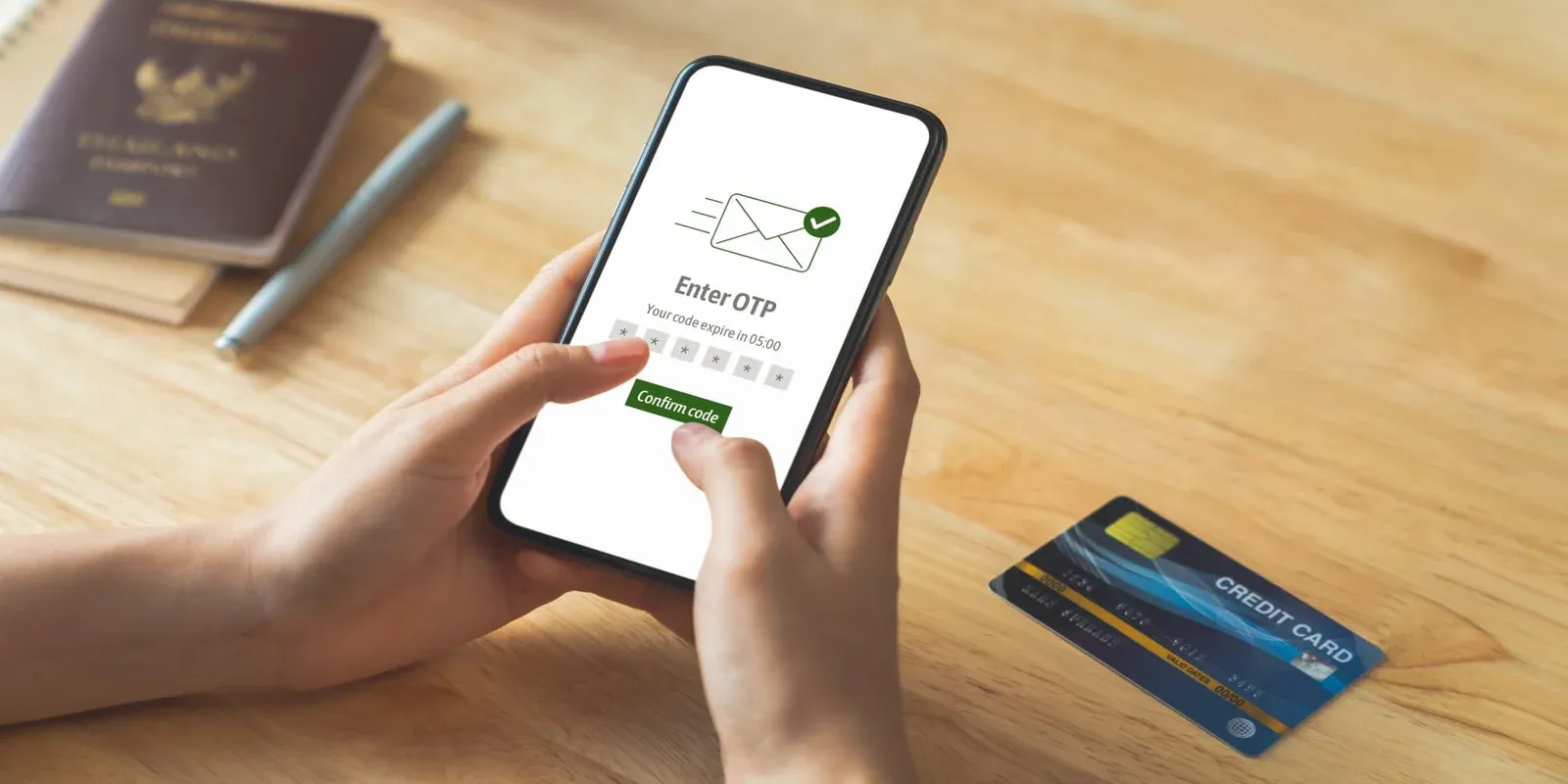
The second step is to test the exact systems you plan to rely on when the week opens. No large transaction is needed. Open the digital banking app, the e-wallet and the brokerage account; check whether login still works; verify whether OTP arrives; confirm that Smart OTP or biometric approval still functions; and make sure the recovery email remains accessible. The test sounds small, but it tells you whether the entire workflow is still intact.
The third step is to remove the causes of what feels like “trapped cash” without being actual asset loss. Check whether the bank account used to fund the brokerage account still works normally. Confirm that the phone number on file at the bank, wallet provider and securities firm is still the number you actually use. If you recently changed a phone, replaced a SIM or updated identity documents, spend extra time on this review because those are the users most likely to trigger another verification step. For a beginner, this matters much more than trying to guess whether the market opens green or red.
The final step is basic digital discipline. If something looks wrong, do not click strange links in messages and do not call phone numbers pulled from unverified sources. Use official apps, official websites or service counters from the telecom operator and the financial institutions you actually use. If you suspect that the number has been hijacked or misused, the priority order should be to contact the operator, temporarily lock sensitive financial channels, change passwords and review previously logged-in devices.

The main takeaway before Monday morning
This affects your money in a very different way from market volatility. The June 15 milestone is not really about whether money in an account can disappear. It is about whether you still retain smooth operational control over your own accounts. For retail investors, a phone number has become part of the financial infrastructure itself: it connects digital banking, e-wallets, brokerage access and the recovery process when something breaks.
The article’s thesis is therefore straightforward: treat subscriber verification as an operational risk that should be cleared during the weekend, not as a telecom headline that sits outside the market. If you have already checked the SIM, OTP delivery, login channels and recovery email by Sunday night, Monday morning becomes less vulnerable to one particularly frustrating kind of failure: having cash, having a plan, but not being able to get into the system when action is required.