

After months of moving sideways, Vietnam’s deposit rates are finally making some noise. It is easy to fixate on eye-catching numbers such as 7.1% or 7.3% a year on selected online term deposits. But that is not the same thing as saying the whole banking system has entered a new, broad-based tightening phase for funding costs.
That distinction matters for anyone holding sideline cash. If you only look at whichever bank is offering the highest rate on a given day, the temptation is to conclude that money should rotate back into term deposits immediately. The cleaner read is more restrained: what matters is not a single peak quote, but whether the move spreads across more banks, more tenors, and stays in place for long enough to reset the market’s baseline.
Rates have moved, but the market is still fragmented
From late May to mid-June, deposit pricing did not follow a straight line. Vietstock’s survey showed that LPBank, MB and Sacombank had all cut rates on selected tenors in late May, while the state-owned banking group kept counter rates unchanged.Vietstock That alone argues against the idea of a synchronized upswing across the system.
Then the market started to show isolated pockets of increases. VTV reported that TPBank raised online deposit rates for one- to three-month tenors by 0.1 percentage point, taking those rates to 4.75% per year, while longer tenors were broadly unchanged.VTV In other words, there was a real increase, but it was narrow in scope: online channel, short tenors, small increment.
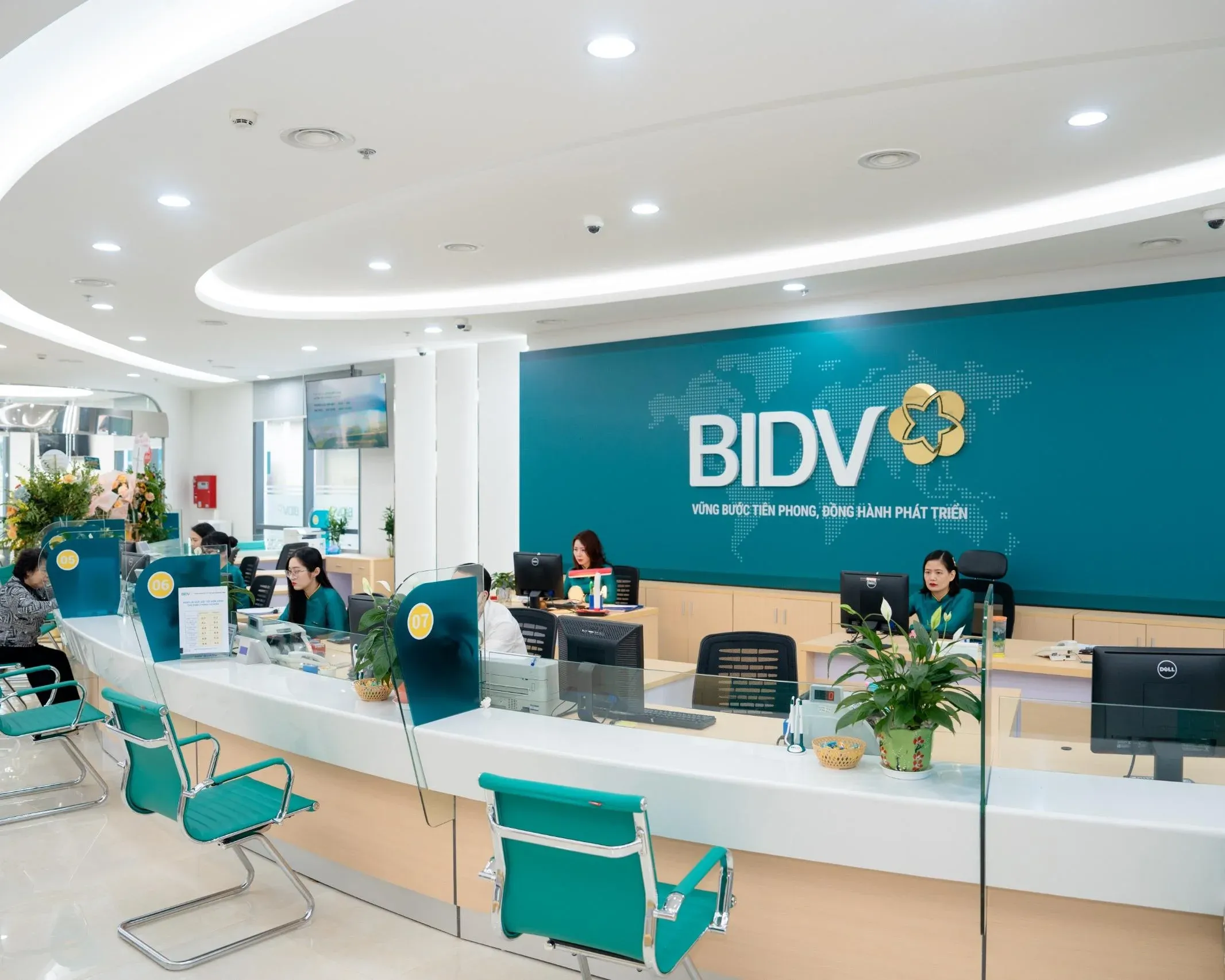
BIDV is the clearest warning against overreading the trend. On June 9, VietNamNet reported that BIDV cut online deposit rates by 0.6 percentage point for six- to eleven-month terms, by 0.8 percentage point for the 12-month tenor, and by 0.4 percentage point for 13- to 36-month deposits, bringing rates back to a 6.6%-6.8% range.VietNamNet A bank that had just attracted attention for moving up could just as quickly move back down.
Why ACB matters, but does not define the whole market
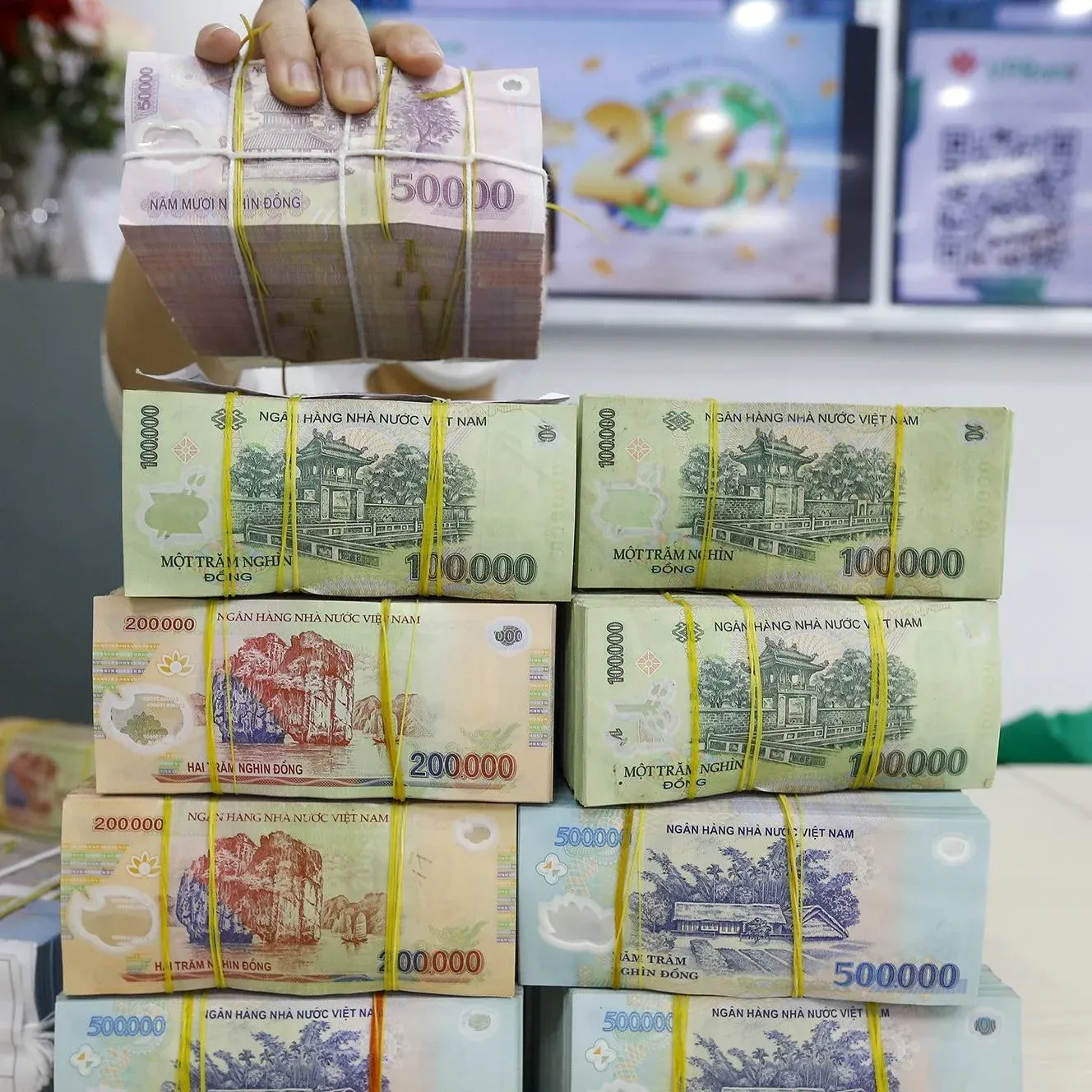
The most visible increase in the latest batch of data came from ACB. VietNamNet reported on June 12 that ACB’s online deposit rate rose to 7.1% per year for six months, 7.2% for nine months and 7.3% for 12 months.VietNamNet That is large enough to grab attention, especially for investors keeping cash ready while waiting for a better entry point elsewhere.

But stopping at ACB would miss the second half of the story. In the same June 12 summary, VietNamNet showed Agribank, BIDV, Vietcombank and VietinBank still sitting at 6.6% per year for six-month terms and 6.8% for 12-month terms.VietNamNet If the largest banks are not moving together, the market is better described as fragmented than repriced across the board.
There is another discipline point here. ACB’s sharp move in selected tenors does not, by itself, prove that the whole system is under acute funding stress. It may reflect bank-specific demand for deposits, or simply a product strategy shift on the online channel to win new customers. Based on the evidence now on hand, the conservative interpretation is stronger: selective repricing is real, but the case for calling it a full deposit-rate cycle turn is still weak.
The underlying driver is the gap between credit and deposits
The reason banks are even starting to tweak deposit tables is not difficult to understand. Citing SSI Research, VTV said credit growth had reached 5.71% by the end of May, while total deposits across the system were up 2.98% from the start of the year by mid-May.VTV Put simply, lending demand is still running ahead of the pace at which deposits are coming back into the system.

That gap matters because banks cannot keep expanding credit indefinitely if funding growth lags too far behind. Thời báo Tài chính Việt Nam also noted that the system-wide loan-to-deposit ratio remains above 100%.Thời báo Tài chính Việt Nam When incoming funding does not keep pace, offering higher rates on selected tenors is an intuitive way to attract more deposits.
But the motive to raise rates is not the same thing as a market-wide result. One bank can reprice to solve its own balance-sheet problem without forcing the rest of the system to follow. For newer investors, that is the useful distinction: the fundamental pressure is real, but the breadth of the response is what determines whether this becomes a new phase rather than a tactical adjustment.
What investors with sideline cash should actually watch
This is where many newer investors get stuck. If deposit rates are inching up, should money come out of equities and go back into bank deposits? The evidence still does not support that conclusion. Deposits and equities serve different purposes: one protects capital and preserves liquidity over a known horizon, the other accepts volatility in exchange for higher expected returns.
That means a few higher online deposit quotes can make the cash bucket look somewhat more attractive without rewriting the entire asset-allocation decision. If Vietnam were genuinely entering a new deposit-rate regime, four signals would usually appear together. More banks would be raising rates, not just a few names. More mid-tenors, especially six to 12 months, would move up for several consecutive weeks. The state-owned group would start repricing more durably, and interbank rates would stay tight rather than oscillate.
The latest data do not show that combination yet. VietNamNet reported that in the June 10 session, overnight VND interbank rates fell to 4.9% per year and one-week rates dropped to 5.8%, while the one-month tenor only edged up to 7.7%.VietNamNet That pattern looks more like a market that still needs monitoring than one undergoing a clean, system-wide liquidity squeeze.
Conclusion: there is movement, but not a regime shift
The clearest thesis right now is that deposit rates in Vietnam are being adjusted selectively, not reset into a broad new upcycle. The risk in reading too quickly is seeing a few 7% handles and assuming sideline cash needs to relocate immediately. The freshest data point the other way: rate hikes and rate cuts are still coexisting, while the biggest banks have not delivered a unified signal.
The more useful approach is to watch the sequence rather than chase the highest quote of the day. If increases spread across more banks, hold across mid-tenors, and arrive alongside persistently elevated interbank rates, then the story changes. As of June 15, 2026, investors parking cash have more reason to monitor closely, but not enough evidence yet to call this a full turn in Vietnam’s deposit-rate landscape.