
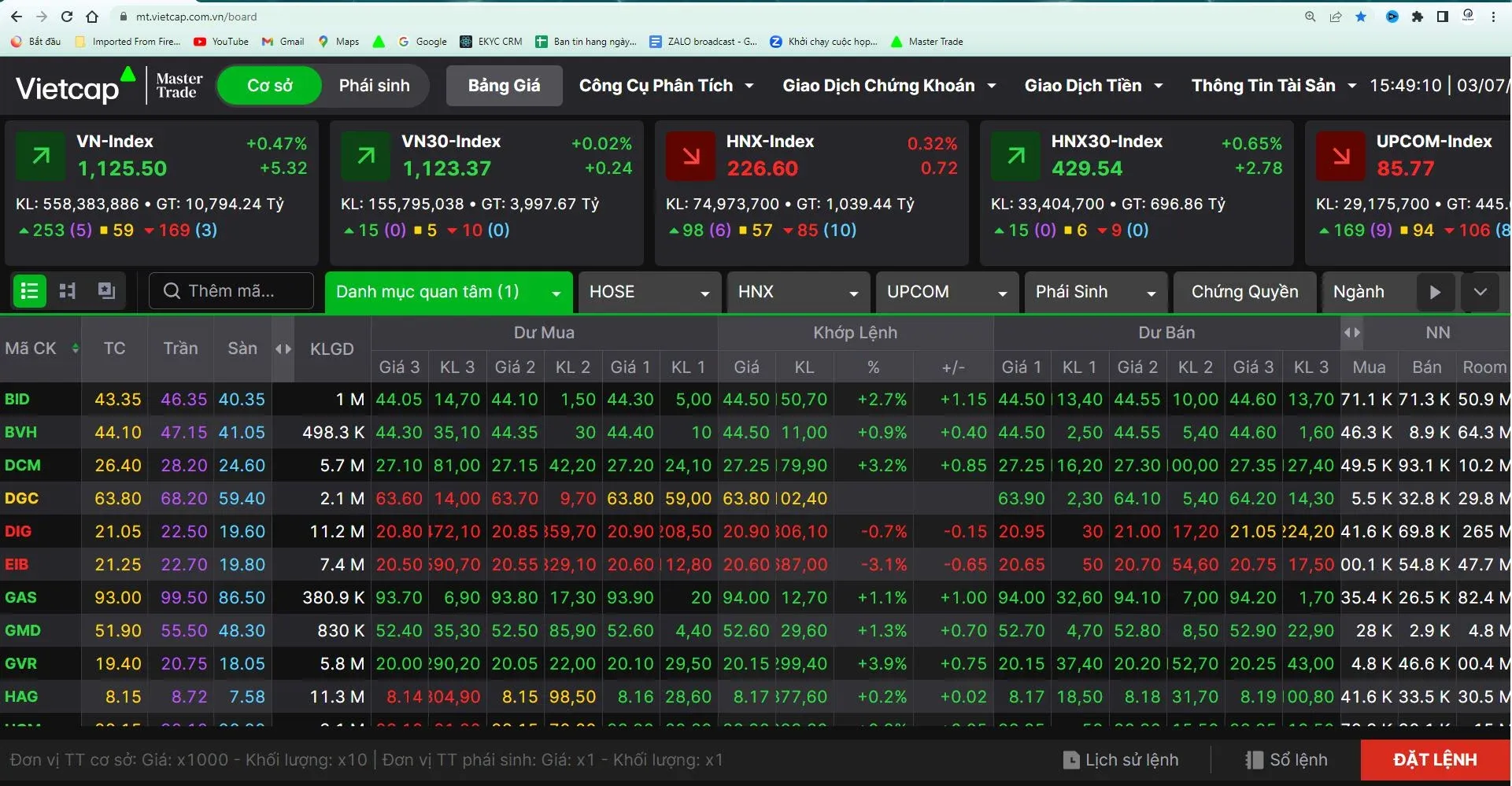
A bad month for equity funds is not a verdict on funds
A weak month for NAV and heavy redemptions can make new investors think mutual funds are broken. The more accurate reading is that many buyers are judging an equity product with the wrong time horizon.

VND 20 Trillion in Bonds: Sacombank Is Rebuilding Its Buffer
Sacombank's plan to issue up to VND 20 trillion in bonds should not be read as a plain funding story. For newer investors, this is first and foremost a story about Tier 2 capital, capital adequacy and room for future credit growth.

Carbon Exchange Opens, Emissions Costs Enter Stock Analysis
From June 29, Vietnam's carbon exchange gives emissions a formal system for registration, custody, trading, and settlement. For retail investors, the real story is not day-one carbon prices but how a new cost layer starts feeding into margins and valuations.

Why 6.5% loans still do not unlock social housing
Starting July 1, 2026, Vietnamese borrowers under 35 can access 6.5% annual loans for social housing in the first five years. The catch is that cheaper funding solves only one part of the problem; supply, paperwork and credit approval still determine who actually gets a home.

Export sales do not tell the whole risk story
Strong orders and rising export revenue are not enough to call an exporter safe. As trade defense probes spread from industrial goods to farm products, the decisive risk sits in legal preparedness, traceability and margin resilience.

ABB's 15% stock dividend is not the real payoff yet
Getting 15 extra ABB shares for every 100 you own sounds generous. For newer investors, the harder question is what comes next: dilution, the rights issue, and whether ABBank can turn a bigger capital base into bigger earnings.

Micron surges, Apple slides: tech is splitting apart
In the same U.S. session, Micron was rewarded for visible earnings while Apple was sold off after raising device prices. For newer investors, the takeaway is straightforward: the market is no longer buying technology stocks just because they share the same label.

U.S. inflation at 4.1%: firmer dollar, harder gold read
May PCE moving back above 4% does not automatically trigger a broad selloff. What it really changes is the order in which new investors should read the dollar, gold, and market breadth.

Funds Raise Cash as Defense Turns Visible
May fund data shows professional money had already slowed down before the VN-Index lost nearly 15 points on June 25. For newer investors, the real lesson is to read fund flows and liquidity, not just the color of the trading screen.

VN-Index Nears a Peak, Many Accounts Still Lag
The index is holding near the top of its range, yet many first-time investors still feel stuck. The problem is not that VN-Index is wrong, but that it is describing a much narrower market than the one most portfolios actually live in.
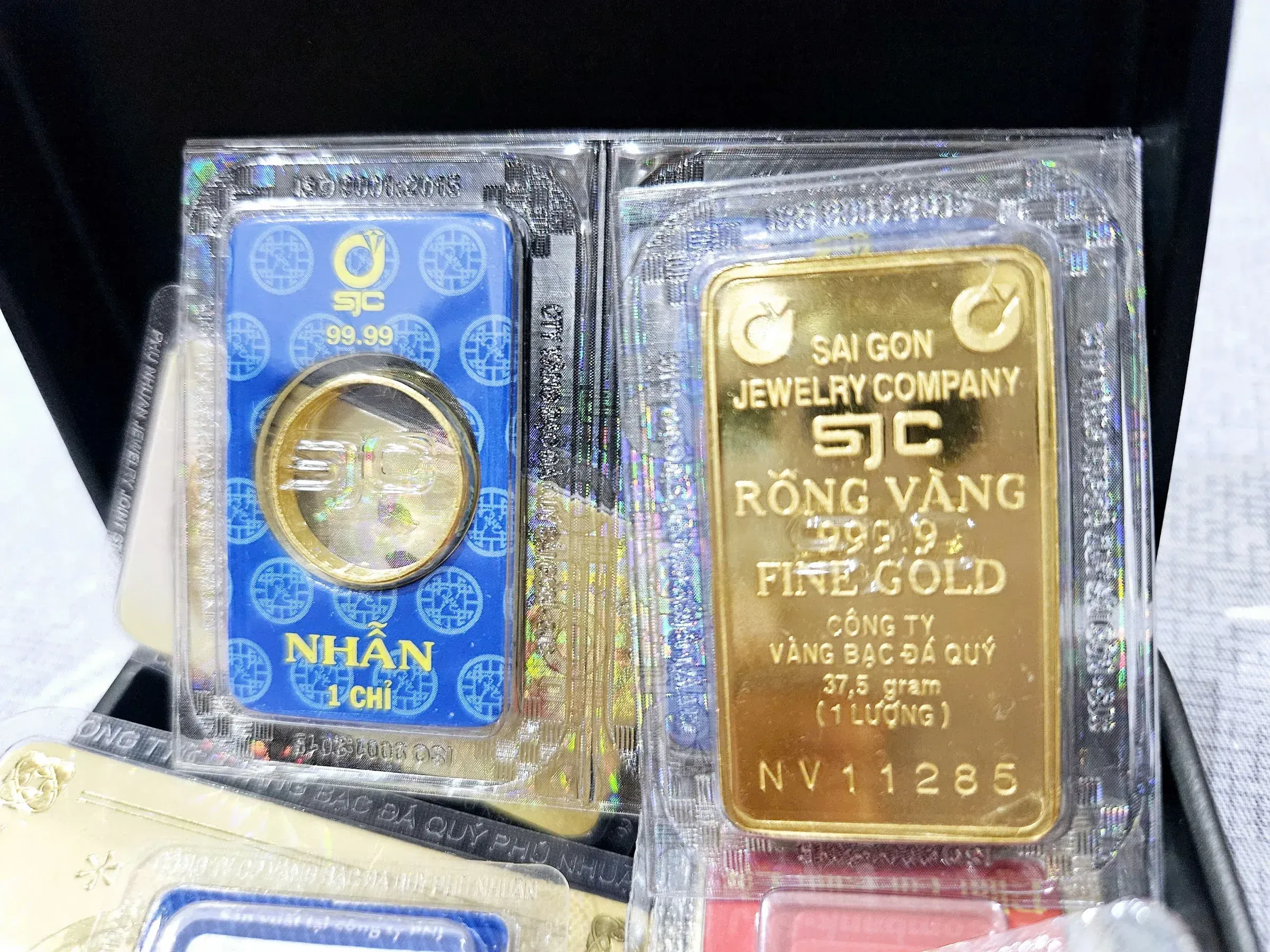
Gold Below $4,000 Still Is Not Cheap for Vietnam's F0
Global gold has slipped below USD 4,000 an ounce, but retail buyers in Vietnam still face elevated asking prices and a wide buy-sell spread. For first-time investors, the real risk sits in the local entry price rather than the global headline.

Fed Clears Banks, JPMorgan Unveils $50 Billion Buyback
The Fed has shown that 32 of the largest US banks can still hold capital above minimum requirements even under a severe downturn scenario. What equity markets care about next is not just safety, but how much of that surplus capital can flow back to shareholders.
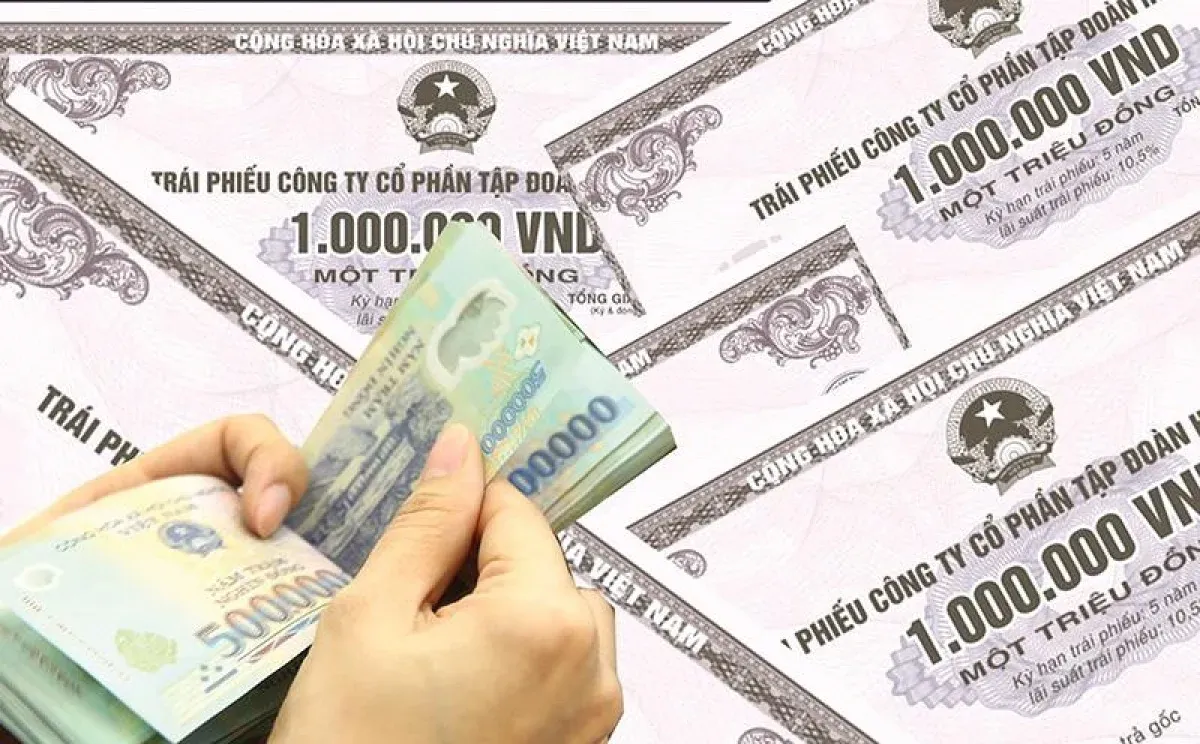
Decree 200 Tightens Bonds, Trust Is Only Half Repaired
Decree 200 has tightened issuance rules and given bondholders clearer protections. But for new investors, the bigger problem remains unresolved: the market still struggles to price credit risk correctly.

Brent at USD 76, Vietnam oil stocks split apart
A lower oil price is no longer enough to explain Vietnam's entire oil and gas sector in one move. On June 24, the same drop in Brent led PVD, PVS, BSR and PLX to trade on four very different profit engines.

MWG's VND 10,000 ESOP is not a market price
MWG's VND 10,000 per-share ESOP looks shockingly cheap next to the stock's market price. For outside shareholders, though, the real question is not whether the price is attractive, but whether the company is buying enough management stability to justify even a small dilution.