
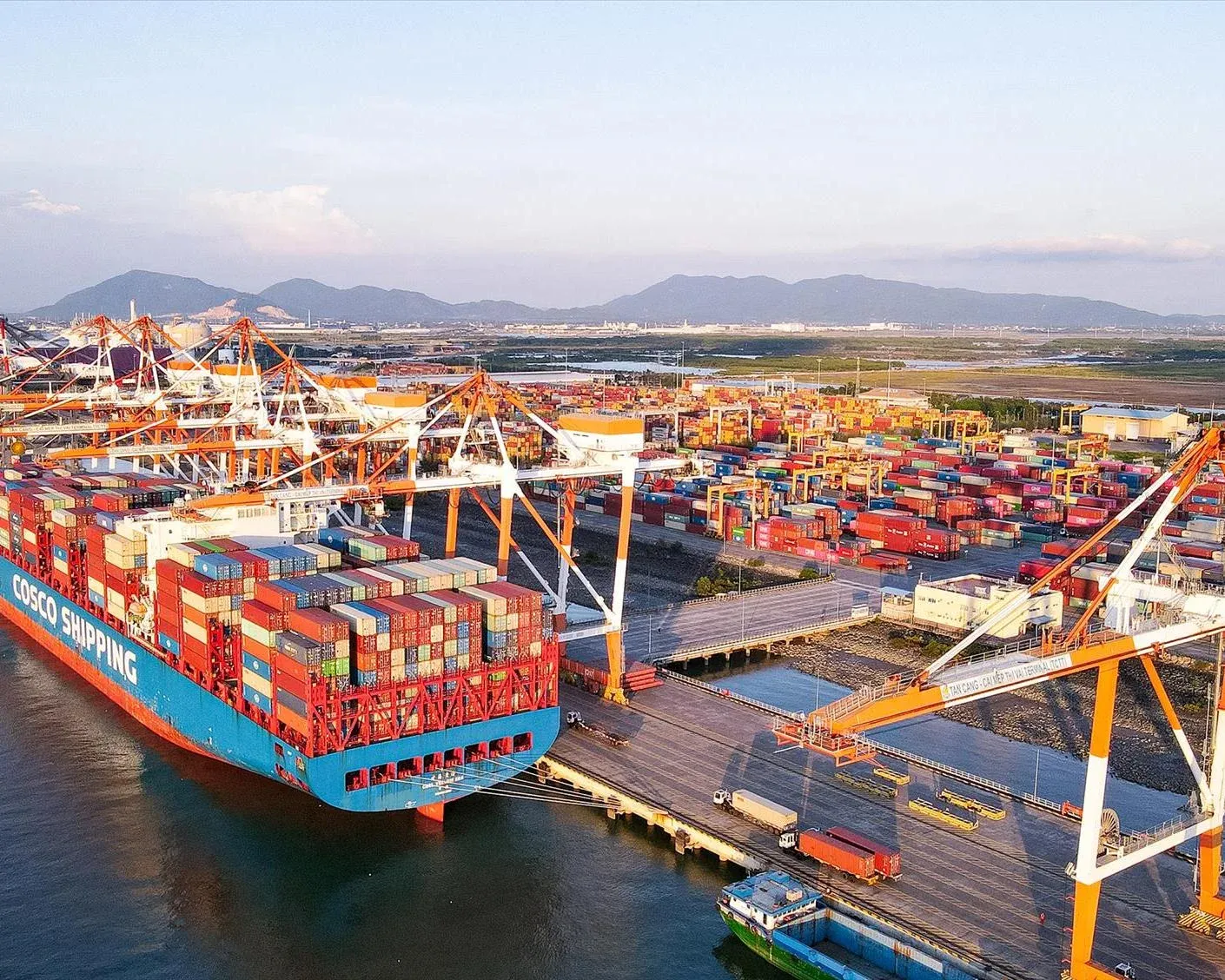
Yen Nears a 40-Year Low as Asia Reprices Risk
The yen is trading close to its weakest level in nearly four decades against the US dollar. For Vietnamese investors, that matters less as a Japan story and more as a live test of regional risk appetite, FX pressure, and how export stocks should be read at the open.

Oil Cools, but BIS Keeps the Alarm On
Brent has backed off its recent highs, but the BIS argues that the harder part of the risk story still sits in public debt, AI-related valuations, and bond-market liquidity. For Vietnamese investors, relief still needs confirmation from several other signals.

Brent Returns to Old Range as Hormuz Fear Eases
Brent settled at USD 71.99 a barrel on June 26 even as military headlines around Iran kept coming. What the market is pricing now is not zero risk, but a lower chance that Middle Eastern oil stays trapped for long.

A 5% Deficit Target Still Does Not Pick the Winners
Vietnam's new fiscal framework gives public investment a wider runway, but the market is not rewarding every infrastructure stock equally. The next test is whether disbursement accelerates and whether companies can turn project volume into earnings.

SBV carves out funding room for 18 mega-projects
Vietnam's central bank is allowing newly created loans for 18 priority projects to sit outside annual credit-growth calculations. That could accelerate disbursement for selected banks and developers, but it is not a blanket easing signal for the broader property market.

Brent Is Below $80, but Hormuz Still Matters
Brent has slipped out of the mid-$80s, but that does not mean the energy shock is over. The next move will depend more on actual traffic through Hormuz and U.S. inventory data than on political headlines.

MSCI Holds Its Score: Vietnam Still Needs Proof
MSCI is acknowledging Vietnam's reform progress, but market accessibility scores have not moved. For the index provider, policy changes are only the starting point; what matters is whether foreign institutions can actually trade more smoothly.
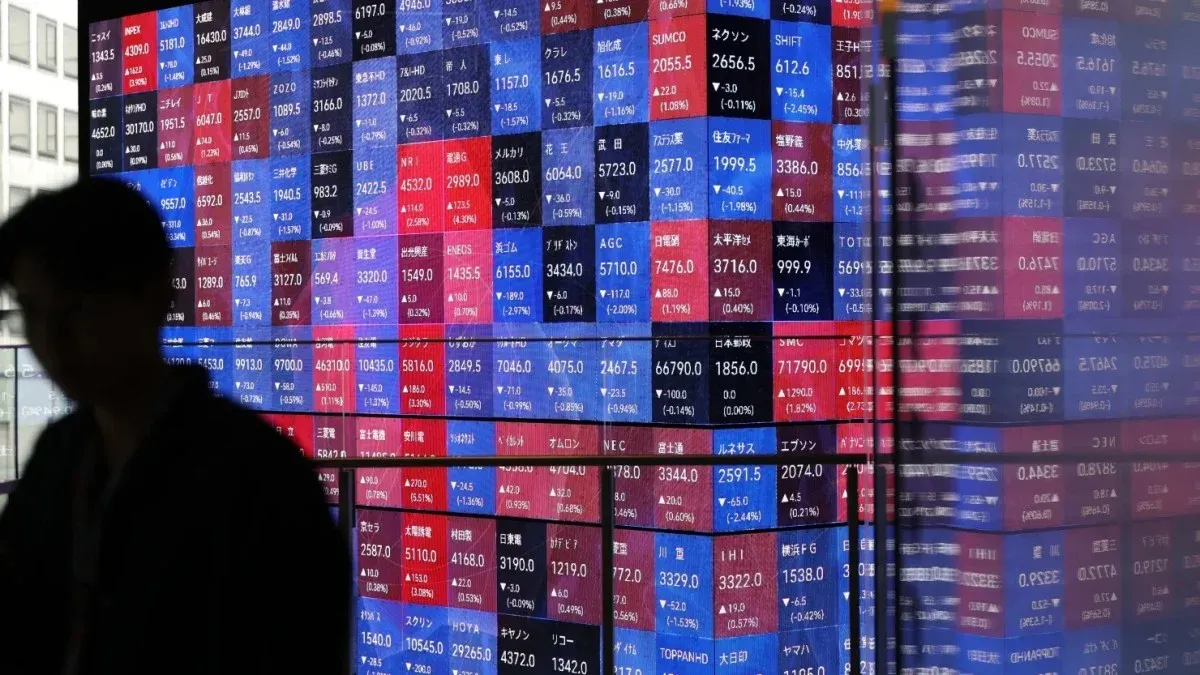
Asia’s rally is running on three engines
Japan and South Korea are both at fresh highs, but that does not add up to a uniform regional rally. Under the same Asia headline, each market is still being driven by a very different earnings story and a very different risk profile.

Fed Held Rates, but the Bar for Cuts Rose
The surprise on June 17 was not the policy rate itself. It was the Fed's higher inflation outlook and a year-end rate path that pushed easier-money hopes further out.

Japan at 1.0%: Cheap Money in Asia Reprices
Japan has raised its short-term policy rate to 1.0%, the highest level since 1995. The bigger story is not the 0.25 percentage-point move itself, but the fact that Asia's longest-running cheap-money anchor is starting to change roles.
Oil Cools, Vietnam Tests Whether the Bounce Can Last
Lower oil prices after the U.S.-Iran headline do not automatically translate into an easy session for Vietnamese equities. The real test is whether gold, USD/VND and sector rotation confirm that risk appetite is actually returning.

As Hormuz Eases, Oil Returns to the Oversupply Debate
Oil is no longer reacting only to war headlines. As the odds of smoother flows through the Strait of Hormuz improve, the market is stripping out part of the war premium and returning to the harder questions of inventories, demand and supply.

World Bank Cuts Growth, Three Signals Before the Open
Wall Street's rebound helps sentiment, but it is not enough to call the Vietnamese market safe by default. Before the opening bell, the order still matters: oil first, then FX, then cyclical stocks.
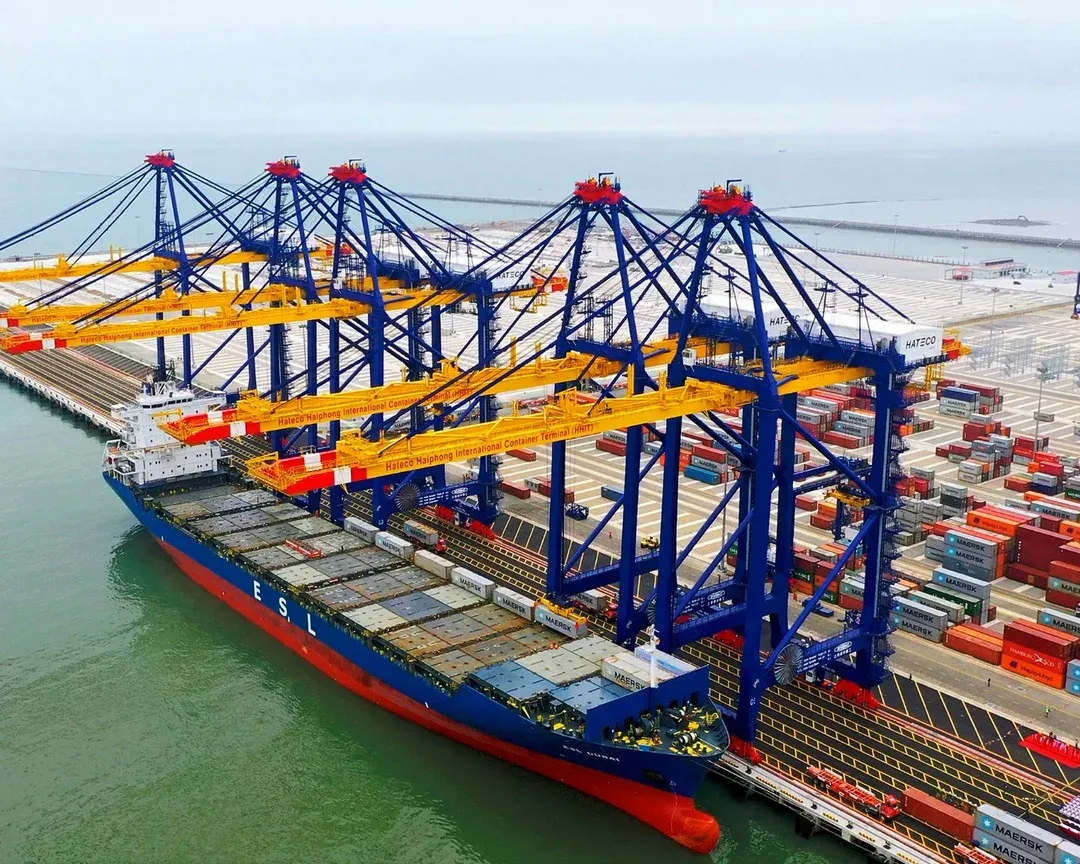
A $13.8 Billion Trade Deficit Does Not Tell the Whole Story
A large trade deficit naturally raises concerns about the currency and the broader economy. But in Vietnam's case, the more important question is whether higher imports are feeding production or signalling a new pressure cycle.

Oil Has Not Broken Into a New Shock Yet
The U.S.-Iran conflict has escalated again, but oil is still trading inside a familiar test zone. For Vietnamese investors, the real signal is not the headline itself, but whether Brent rises far enough to trigger a broader repricing of energy costs.