

Gold Is Down for Days, Not Out as a Safe Haven
A short pullback does not mean gold has lost its defensive role. New investors need to separate daily price action from the long-cycle reserve decisions of central banks.

Overnight rates cooled, funding stress remains
Vietnam's overnight interbank rate fell from 11.0% to 6.60% after an SBV liquidity operation. That points to easing short-term dong pressure, not proof that system-wide funding stress is over.

Brent At USD 97, Oil Stocks Still Aren't Moving As One
Brent's rebound to USD 97 per barrel sounds bullish for oil names at first glance. The morning session on June 3 showed why the market reads this sector through profit pipelines, not through a single commodity print.

An 11% overnight rate is not the whole market
An 11% interbank overnight print signals a short-term funding squeeze, not proof that deposit rates and borrowing costs are about to rise across the economy. What matters now is whether the pressure spreads to longer tenors after the SBV steps in through OMO.

Consumer Finance Is Past Bottom, Bad Debt Is The Test
Consumer credit is picking up again, and digital channels are making borrowing faster and more embedded in daily spending. But for investors, a profit rebound is the easy part to see; the real test is whether new loans stay healthy.

VN-Index down for six sessions: breadth matters more now
The VN-Index has entered a more difficult phase: this is no longer just a story of heavyweights dragging the benchmark lower. For newer investors, the real signal now is whether market breadth can recover alongside the index.

Alphabet's $80 Billion Raise Shows AI Is a Capital Race
Alphabet is not selling more stock because it has run out of money. The more important signal is that AI has moved from a product story to a capital allocation story, where existing shareholders are being asked to share the cost of growth.

Long deposit rates are still sticky. Watch the curve
Vietnam's June deposit tables matter less for the headline rate than for the shape of the maturity curve. As long as banks still pay a visible premium for 12-18 month money, the need for stable funding has not gone away.

PMI at 52.8 is not yet a buy signal for manufacturers
Vietnam's May PMI shows factories are improving, but precautionary orders and higher input costs explain why the market has not re-rated manufacturing stocks across the board. For newer investors, the key distinction is between an activity signal and an earnings signal.

A 50% Dividend Says Little About Profit
More than 30 Vietnamese companies are going ex-dividend for cash in early June, with DVP standing out at a 50% payout ratio. For new investors, though, the headline number is not the first thing that matters.

Coffee Below VND 90,000 Is Not Capitulation
Domestic coffee prices have slipped below VND 90,000 per kilogram, but that alone does not prove growers in Vietnam's Central Highlands are rushing to sell. The cleaner read is that global futures repriced first, and the physical market followed.

One Circular, Two Speeds of Disbursement
Industrial parks and social housing are both inside the policy-relief bucket, but they are unlikely to benefit at the same pace. The real dividing line is not the headline, but which projects are ready to absorb bank capital first.

May Split Three Ways: Gold, Stocks and Oil
May 2026 showed that one geopolitical backdrop does not produce one market script. SJC gold, the VN-Index and Brent oil were each doing a different job, and investors who blur those roles are the ones most likely to misread the month.
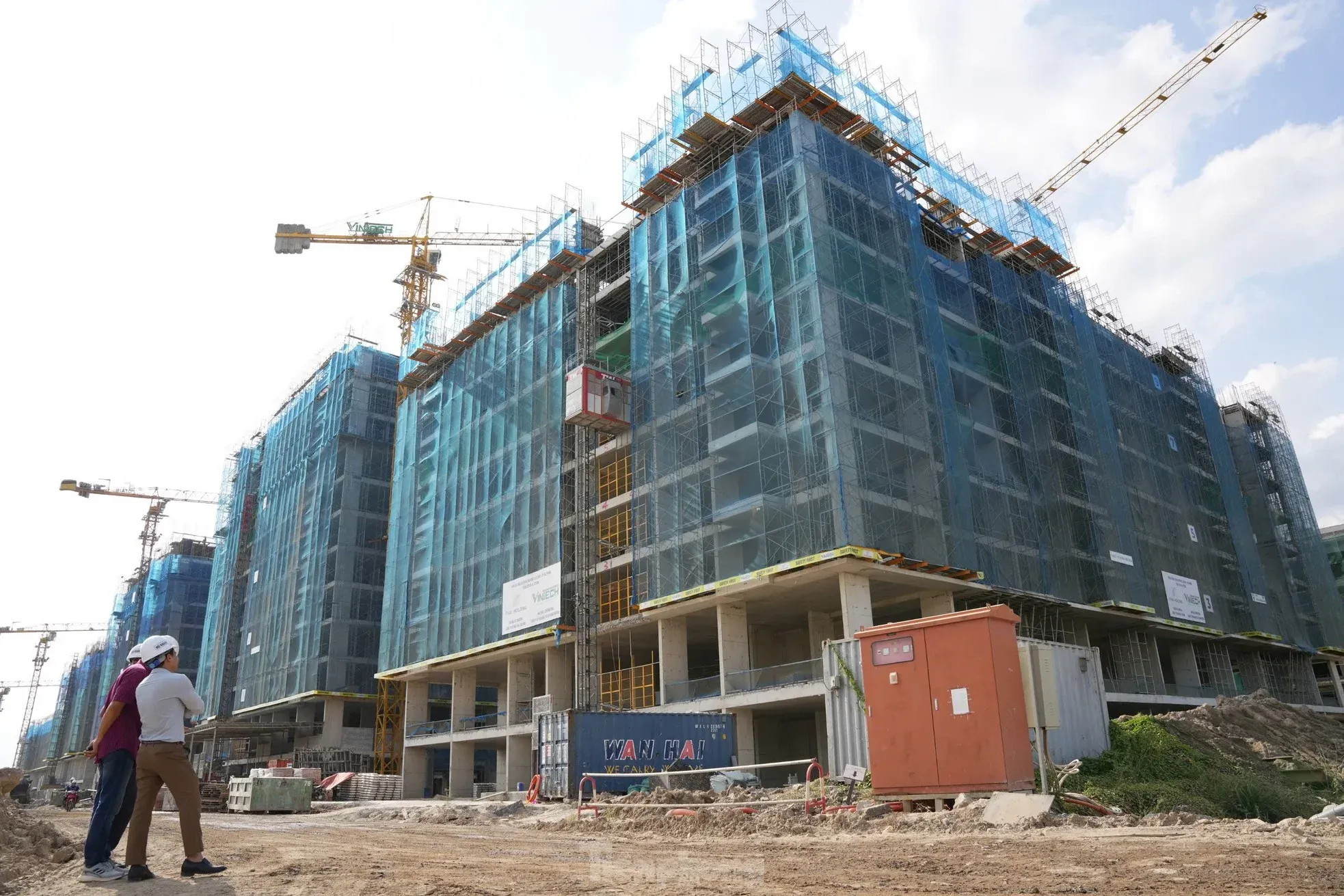
Credit relief alone will not speed up social housing
Vietnam's central bank has created more room for social housing lending, but policy space is only the first step. Supply will not move meaningfully until projects clear legal hurdles and homebuyers can carry long-tenor loans.

VN-Index Barely Fell, Portfolios Still Felt Heavy
The final week of May offered a useful lesson for first-time investors: a small decline in the index does not mean portfolios are safe. When support comes from only a handful of large caps, the average account can feel much weaker than the headline index suggests.